Showing posts with label Minnesota acreage realtor. Show all posts

Friday, June 6, 2014

Walking the Summer Fields to Sell Minnesota Acreage

The acreage throughout Anoka, Chisago and Washington Counties in Minnesota is beautiful in the springtime. I especially love the surprising wild flowers that will appear along with the prairie grass in the fields. Walking through the fields reminds me of a situation from a few years ago. A couple contacted me as part of an interviewing  process to find a new real estate agent for their acreage home in Columbus. It had been unsuccessfully under contract for over a year but the listing was expiring and they need fresh eyes. As part of my job as an acreage REALTOR®, I walked with the husband around the house, through the barn and looked out the barn’s backdoor at the 30+ acres of woods and natural wetland. Looking out the backdoor of the barn, I inquired about a possible trail that would allow buyers to view the perimeter of the land. He confirmed that there was a path but seemed surprised I asked about it.

Evidently, the other REALTOR® didn’t consider the land worth viewing. The seller said, “The previous agent never stepped one foot further beyond where you are standing now to see the land. I don’t think he wanted to get his shoes dirty.”


I was taken aback. How do you sell a home on acreage without walking the land to see what you are selling? I am certain most buyers would request to take a walk before purchasing too. It was no surprise to me that the home had not yet sold.


Selling a home on acreage does take a bit of extra effort. There is research and work involved. From ascertaining that the septic system is in compliance to understanding what a Minnesota unique well number is and where to find it, there are quite a few details that need to be reviewed when a home with significant acreage is listed. Preparing the exterior is kind of like staging the inside of the home. Marking a trail for the potential buyer to follow is crucial for the buyer to fall in love with the entire property. A significant portion of an acreage home’s total value is often tied up in the value of the land. Buyers need to be able to safely walk the land, in order for the home to sell.


The sellers and I hit it off and I did list that house. When I came to take photos not only did I take the basic interior and exterior shots, I took additional time and walked the land with the seller. (Yes, my shoes did get a bit dirty but it is all part of the job!) During the tour of the land, I took photographs that showed the appeal of the acreage even though a significant portion was wetland. The owner pointed out landmarks and details that would potential buyers would want to know about the property. I took photos from various points along the path. Interestingly, many of the buyers who called me directly to see the listing also walked the land with me and remarked that they remembered the shots as ones they saw on the internet. These pictures were important as they created excitement about the property and were photos that could never have been seen from the front curb or back door of the barn.


The home was sold, but not to a buyer that I brought through the home and property. I did walk the land with several parties before an offer came in.  Another REALTOR® wrote up an acceptable offer after taking his buyer along the mapped and marked trail through the acreage. Whether selling a couple of acres or several dozen, preparation is the key to a successful sale of Minnesota acreage!
 

Selling Acreage? Let me walk the land with you and get it SOLD!If you are buying, selling or relocating to Minnesota and need help from a professional REALTOR®, give me, Teri Eckholm of Boardman Realty, a call or visit my website for a FREE Home Buyer Success Guide or FREE Home Value Report. I specialize in acreage and lakeshore properties in the north and east Twin Cities metro area including Ham Lake, Lino Lakes and all communities in the Forest Lake School District! Serving Anoka, Chisago, Ramsey and Washington Counties in Minnesota.

Copyright 2014 www.terieckholm.com

Tuesday, January 28, 2014

Real Estate Word of the Day--Septic System

Buying a home is often a once or twice in a lifetime experience. There are often lots of things to learn. Buying a home on acreage has it's own set of unique terms that the average city-dweller might not have heard before. 
From time to time I am surprised that a simple term I use everyday as a REALTOR® is like a foreign language to some home buyers. It is not unusual to see a glazed look come into a buyer’s eyes when I talked about escrow or earnest money but also when I mention well water, septic systems and compliance tests. The confusion is totally understandable because most home buyers do not buy houses on acreage everyday.

There are so many terms that could possibly confuse a home buyer that I thought an online glossary of real estate terms might be helpful. So I am continuing my series of posts for the first time homebuyer with explanations of the most often used (and sometimes confusing) real estate terms. This way you can skip buying that big “how to buy a house” book or attending that
First Time Home Buyer Class and have a quick resource at your fingertips. Today’s Real Estate Term is:

Septic System—If a home is not connected to a public sewer, there will be a private system that will hold and/or process the waste called a septic system. There are several types of systems. They can be a holding tank where all the waste must be pumped out or a tank that releases the waste water back into the environment via a drain field or mound. A private septic system can be owned by the individual property owner or shared by a number of homes. 

It is important to know what type of septic system is on a property. All systems will require maintenance but the type of system, indicates to a buyer how often the maintenance will have to take place and how much it will cost. Shared systems usually are part of an association where fees are collected on a periodic basis to pay for pumping out and maintaining the sewage system. 

It is also important to understand what can and cannot go into a private sewer system in order to keep it in the best condition possible. The cost to replace a private septic system can be in the tens of thousands of dollars. Proper maintenance and care can extend the life of the system by many years.  For additional information check out the University of Minnesota Extension Service's guide to Understanding Your Septic System.
 

Copyright 2014 www.terieckholm.com

Thursday, October 4, 2012

Evergreen? Well, Maybe

It's fall in Minnesota. We are fortunate to live in a state with four seasons and autumn is definitely full of color. In a month or so, we could be almost all white as our winter season blows in. But  when the golds and crimsons and rust colored leaves are but a memory, the greens of the pines and firs will still be a part of our landscapes. 

This summer has been brutally dry. It's been a very long time since our lawns and trees in Anoka County have received a good, soaking rain. In fact, September was the second driest on record in Minnesota. Our trees are suffering along with our lawns. As a REALTOR® I know that a wooded landscape can add significant value to a home. It provides curb appeal and beautifies the exterior. If you have evergreens, they may not show the signs of stress right now. But the drought conditions could mean your pines won't be green come spring. In fact, they could be dead. 

Keeping your evergreens green will mean more than adding a quick watering to the fall "Honey Do" List. In Anoka County, much of the soil is sandy and doesn't hold in the water like clay or black dirt. It is recommended to give pines a good soaking before the ground freezes. To do this it's a good idea to run a sprinkler for few hours or put the hose down at the base of the tree for a good 15-30 minutes so the water has time to soak down into the roots.

Take a little time while enjoying the fall colors to protect your evergreens so they will continue to provide beauty to your landscape for year to come.

Copyright 2012 www.terieckholm.com

Friday, February 10, 2012

Friday Fun--Septic Humor or When a Good Flush Beats a Full House!

Septic System Pumping Requirements on MN Acreage


When I first heard the infamous Erma Bombeck quip, "The Grass is Always Greener Over the Septic Tank", I had no idea what she was talking about. Now, after a decade of living on an acreage property with a septic or private sewage system, I not only get the joke, I know it is true.

Septic cleaning is a dirty business and somebody’s gotta do it. Septic tanks must be pumped out at a minimum of every three years in the city of Ham Lake. This periodic requirement for individual septic systems specifies not only pumping but a visual inspection too. In fact, having your septic tank pumped and inspected is a requirement of most Twin Cities north and eastern metro communities. State and county codes do not control the point of sale or inspection of on-site or individual sewage disposal systems (ISDS or septic systems) leaving it up to each Minnesota city and community to adopted their own standards and rules for inspection.

Our personal choice has been to use Olson’s Sewer Service of Forest Lake to pump out and inspect our septic system since we moved to our Ham Lake acreage. Their slogan, “keeping your sewer in the pink” and hot pink trucks are seen all over Forest Lake, Columbus, Wyoming and Ham Lake. When their pink reminder postcard arrives in the mailbox every three years, I call and schedule our septic pumping and inspection right away.

Olson’s colorful slogan is catchy yet tame compared to septic professionals really. Some septic service companies have adopted some unusually humorous, and rather gross, sayings to remind you of what they deal with on a daily basis. Here is a list of some favorites that have been seen on sewage and plumbing trucks all over the US:


· Yesterday's Meals on Wheels
· We're #1 in the #2 business.
· You Dump It, We Pump It
· After the first whiff, call Cliff.
· A good flush beats a full house
· We do Pump 'N Right
· We'll take crap from anybody.
· Satisfaction guaranteed or your merchandise cheerfully returned.
· Your poop is our bread and butter!
· Your brown is our green.

If you have a septic system on located on your property, check with city hall for specific pumping and inspection guidelines as they are not all the same. While Ham Lake requires an inspection once every three years, it is once every two years in Lino Lakes. Most cities require that the tank, drain field and baffles of the system be inspected at the time the system is pumped. As part of their service, most septic contractors will submit a completed permit to the local city hall to document the inspection.

Keep in mind, in many cases this is not an optional maintenance process and  inspection. If you choose not to clean and inspect your private sewer system, most cities will hire a contractor for you and assess the charges on your property taxes.


Copyright 2012 www.terieckholm.com

Friday, September 23, 2011

How to Maintain a Koi Pond Through a Minnesota Winter

I have often wondered how someone maintains a koi pond thoughout a Minnesota winter. I have sold a few homes with ponds and waterfalls that hold these beautiful fish that resemble a giant goldfish. I did sell one in the winter and the buyers were koi-experts.  They knew if the pond wasn't properly winterized, the fish could all be dead under the ice. Heck...I didn't think they could survive in the pond!

So my curiosity got the best of me today and I did some research. I found this article written by Mickel Mcsuche that explains the process of Maintaining Your Koi Pond During the Winter. Enjoy!

Winter is coming, and this will be the first Winter that you go through with your Koi pond. Think of Winter as a down period for your pond, as less events happen during Winter then any other time. However, there are special precautions that you need to take before Winter arrives, to ensure that your pond and fish survive.

Clean Up- Take about a weekend to completely go over your pond. Clean up and unwanted bulk material in and around your pond. Inside your pond, clean up all leaves, slit, and other material from the bottom. Also, remove any plants or flowers that will not make it through the winter. Around the pond, clean up anything that can blow into your pond, as you are not likely to notice this debris until the end of winter. Taking the time to make sure that as much debris is removed as possible will prevent potentially harmful bacteria and parasites in the future.


Stop Feeding- You must remember to stop feeding your Koi during the winter. When fall begins and the temperatures hover around 55 to 60 degrees, only feed once a day. Once the temperatures drop below 50 degree for the first time, stop feeding completely. Even if the temperature goes above 50 degrees, still reframe from feeding your fish. The majority of Koi, when healthy and the temperature is above 50 degrees, take at least four days to completely digest food. If you mistakenly feed your fish to late the food will not digest and will end up killing your fish. Do not mistake you Koi as hungry when they open to their mouths to you. This is more of a learned reflex then hunger. If you are concerned about not feeding them, remember that fish eat other things besides the food you provide them, especially if your pond contains a large amount of natural plant life. If they are at all hungry and you are not feeding them, they will fill up on this.

Try to do seasonal check up on your koi pond and all of the equipment like your filter and your medication. Since the majority of ponds in the world lie dormant during the Winter, you are less likely to be able to find the products you need.

You also need to prepare for the cold weather by purchasing all the items that you would need during the summer. Koi have been known to withstand constant temperatures as low 39 degrees, and temperatures slightly lower then 39 degrees, for short periods of time. You also need to make sure that your heater is big enough to heat your pond when you are buying one, because if it is not able to heat the whole pond, ice will form which can caused trouble by the gas trapped in the ice. In extreme events, it may be a good idea to have an emergency tank inside available.

Turn Off All Water Sources- In colder temperatures, your heater will be working hard to maintain a water temperature suitable enough to keep your fish alive. If you have water features such as waterfalls, streams, or constant moving fountains, make sure to turn them off during Winter. This is because, this water feature can circulate more cold water into the pond, So, your heater only need to heat the water in the pond without having to do extra work to heat up the circulation of cold water. 


Copyright 2011www.terieckholm.com

Saturday, August 20, 2011

Selling an Acreage Home? Mark a TRAIL!


Earlier this month, I was out showing homes to clients looking for acreage that would work for having horses. One home on a 20 acre parcel was perfect so we started to walk the land. On west side of the home was the mound septic system an a bit further west was a large pond that was at the very least 3 acres of the property. The backyard looked dry so we started there. Just a few feet beyond the trees the yard got boggy. So we couldn’t assess how dry the acres were. We assumed this property was mostly wet and made mental notes to check the aerial view from google maps. I noted the problem in the feedback and the agent responded the land had a huge and accessible meadow beyond the pond. My clients, after getting wet feet and seeing lots of swampland on google had no further interest.
This reminded me of a property I sold last year. I met with a homeowner to re-list his 35 acre, Anoka County property after being under contract with another agent for a year. As part of my job as an acreage REALTOR®, I walked with the seller around the house, through the barn and looked out the barn’s backdoor at the 35 acres of woods and wetland. Looking out the door, I asked if there was a path that goes through to the perimeter of the land so buyers could walk the property. He confirmed that there was but then said something else. “The previous agent never stepped one foot further beyond where you are standing now to see the land. I don’t think he wanted to get his shoes dirty.” Wow! How do you sell a home on acreage without seeing what you are selling? Especially when you have had 12 months to take that walk! It was no surprise to me that the home did not sell.
Selling a home on acreage isn’t rocket science. But like rocket science, there is research and work involved. From getting the septic compliance checked to understanding what a Minnesota unique well number is, there are details that need to be reviewed when an acreage home is listed. It is kind of like staging the inside of the home. Marking a trail for the potential buyer to follow sets the stage for the buyer to fall in love with the entire package. A significant portion of an acreage home’s total value is often tied up in the value of the land. Buyers need to see the land, online and in person, in order for the home to sell.
When I listed that home, the photos I took were not only the basic interior and exterior shots, I took additional time and walked the land with the seller. During the tour of the land, I took photographs that showed the appeal of the acreage. He pointed out landmarks and details that would buyers would want to know about the property. I took photos from various points along the path. Interestingly, many of the potential buyers also walked the land with me and remarked that they remembered the shots as ones they saw on the internet. These pictures were important as they created excitement about the property and were photos that could never have been seen from the backdoor of the barn or home.
A short time later, the home was sold. Not to a buyer that I brought through the home and walked the property with. It was sold by another REALTOR® who was able to take his buyer along the mapped and marked trail through the acreage. the buyer’s agent thanked my clients for having a clearly marked trail and for providing a map at the home that showed the trail and property corner markers. He said it was a big help for the buyer to make his decision about the property.

Copyright 2011www.terieckholm.com

Wednesday, December 8, 2010

Wordless Wednesday (Almost)--lolCat Ready for Winter! Are YOU?


Bundled up in his winter hat, our indoor cat is ready for the elements! This year there was snow on the ground in December and now our winter blast of subzero temps may make it's first appearance this week. (BTW this is WAY to early in my book!)
As Minnesotan's we need to be prepared for this weather with our winter survival kits in the car (in case we slide off the road) and extra supplies in the kitchen cabinets (in case we are snowed-in for few days). As a REALTOR in Minnesota, I know that I have been out in blizzards during past seasons either showing houses or writing up offers. We don't let the snow and cold weather stop us...but we are prepared.
So are you as ready for this early winter season as our "happy" cat?


Copyright 2010 Teri Eckholm 

Wednesday, October 6, 2010

Almost Wordless Wednesday--Beautiful Minnesota Acreage!


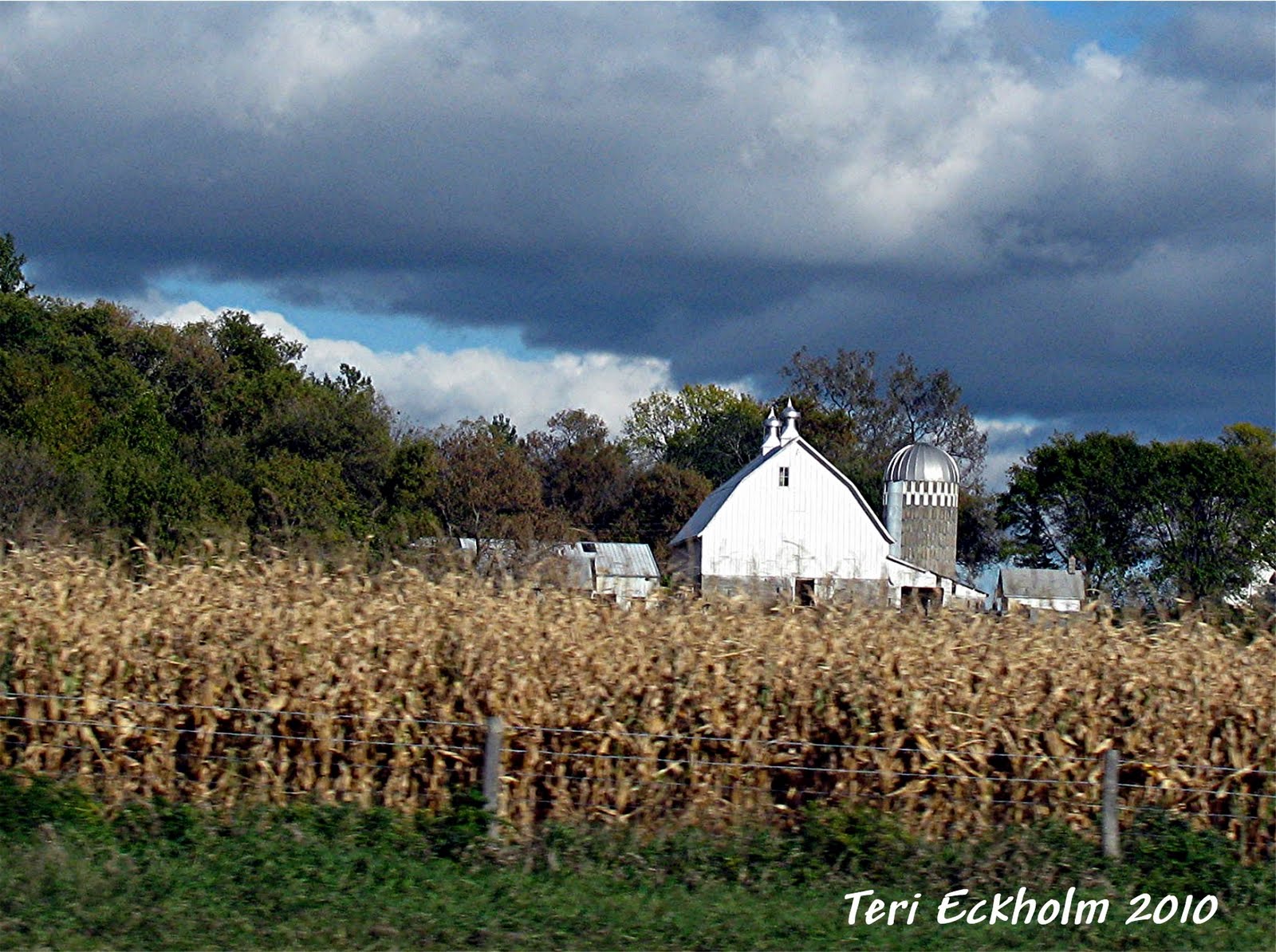
While beautiful farms with rolling fields of grain do come to mind when many think of Minnesota acreage, there are many other options for homebuyers. These photos were taken last weekend as we cruised along I94 near St. Cloud and yes, there were lots of farms along the way. But closer into the Minneapolis/St. Paul metro area in Anoka, Washington, Chisago and Ramsey Counties where I do the majority of my sales, Minnesota acreage could be a smaller hobby farm, a mix of woods and wetland perfect for hunting or just a private two-five acre estate where homeowners have more "elbow room" from the neighbors.


Copyright 2010 Teri Eckholm

Thursday, June 3, 2010

Beware of Dangers Lurking in the Underbrush on Minnesota Acreage!

Anoka, Chisago, and Washington Counties in Minnesota boast some of the most beautiful, desirable acreage properties in the state. As a REALTOR® in the Columbus, Ham Lake, Forest Lake and Lino Lakes area, I have to walk acres with my home buyers to assess the land. I walk the perimeter of properties with potential acreage sellers to understand the property lines. Whenever showing homes on Minnesota acreage, I am prepared. There are dangers lurking in the underbrush.

Poison Ivy--Be aware and on the look out for these poisonous plants as they are all over in Minnesota yards and wooded areas. Many property owners don't even realize the plants are poison ivy. Poison ivy is found all over the US while a close relative poison oak is found most often in the west. The plants to have a similar look and exposure to either of these plants will cause a similar, painfully itchy reaction.

Poison Ivy in Summer
  • Classic poison ivy is in full swing
  • Some leaves are notched and some are not
  • New leaves are shiny and still somewhat reddish
  • Older leaves are duller in color
Photo courtesy of http://www.poison-ivy.org/
Poison ivy can be a ground cover, a vine or a bush. One small neglected patch can spread very quickly to a huge area. Exposure to this plant is an itchy nightmare that can last for several weeks unless treated with prescription medicines, usually steroids. These plants can leave oil on clothing which can spread in the laundry. Be aware of this hazard when walking in any wooded area that you are unfamiliar with.
Think you know what poison ivy looks like? Take a quick poison ivy PHOTO QUIZ
Wood Ticks/Deer Ticks—While the woods are often a haven for white-tailed deer, the beauty of these animals is overshadowed by a frightening reality. Deer ticks are carriers of Lyme disease; a painful disease that can be quite debilitating if untreated. Deer ticks (or Blacklegged ticks) are rarely found in maintained yards and are very tiny and often not noticed even after having bitten a host. The best defense is prevention of a deer tick bite.
  • Dress Appropriately—When walking acreage with underbrush or on property that has not been maintained, wear long sleeves and tuck in pant legs. Hats are a good idea to keep ticks out of your hair and off your head!
  • Use Bug Spray—Effective repellents include DEET and Permanone. Spray clothing with Permanone repellent prior to wearing as it is not to be sprayed directly on the skin. DEET can be used on clothing and/or skin.
For additional information on ticks commonly found in Minnesota, read article “Ticks and Their Control”, by Jeffery D. Hahn

Of course ticks aren’t the only biting critters on acreage. If walking an acreage property in the evening or near a lake or wetland, I am prepared to ward off
mosquitoes, deer flies and no-see-ems too. Luckily, the advice for ticks, a good bug spray with DEET, a hat and long sleeves, works to a keep bites from these pests to a minimum as well.


Copyright 2010 Teri Eckholm 


Rent Continues to Rise in Minneapolis & St Paul MN

The September Rent report just released by ABODO shows te average rate to lease a one bedroom apartment in St Paul to be increasing ...